

 By
By 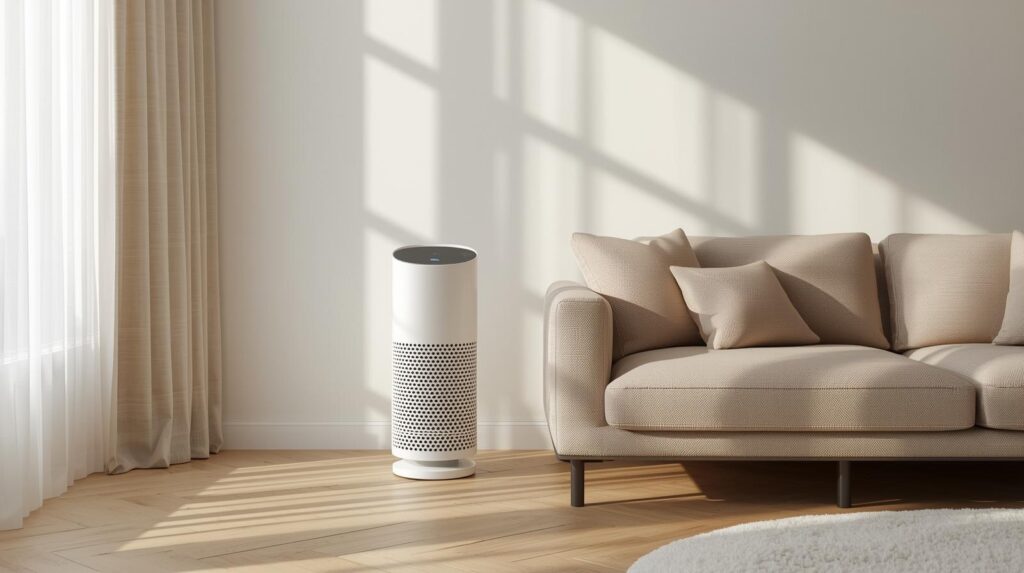
Maintaining clean indoor air has become essential as households face rising levels of dust, allergens, and unseen contaminants that circulate daily. A high-quality air purifier and filtration system can dramatically improve your home’s atmosphere by minimizing pollutants that trigger discomfort and respiratory issues.
Whether you’re dealing with pet dander, lingering odors, or seasonal irritants, the right air purifier offers a reliable layer of protection. Modern units employ advanced technologies to target everything from microscopic particles to harmful gases, creating a noticeably fresher living environment. Choosing a dependable indoor air purifier, backed by efficient HEPA filtration, ensures your household breathes cleaner, healthier air every single day.
Understanding How Air Purifiers Work
Air purifiers draw polluted air through filters or purification chambers and release refreshed, purified air back into the room. Their mechanisms vary—some trap particles mechanically, others neutralize odors chemically, and certain models use ultraviolet light to target microbes. Though the technologies differ, the objective remains constant: remove contaminants efficiently and continuously.Investing in an effective air purifier is a crucial step toward improving indoor air quality.
Types of Air Purifier Filters
HEPA Filters
High-Efficiency Particulate Air (HEPA) filters capture 99.97% of particles as small as 0.3 microns. They excel at removing dust, pollen, mold, and most allergens. A true HEPA filter is non-negotiable for those with respiratory sensitivities.
Activated Carbon Filters
These filters specialize in adsorbing odors, smoke, and gaseous pollutants. Their porous carbon structure traps volatile compounds that mechanical filters cannot capture.
UV-C Light Systems
Ultraviolet-C technology targets microbial organisms like bacteria and viruses. While not a standalone solution, it works effectively when paired with HEPA systems.
Ionic and Electrostatic Purifiers
Using charged ions, these purifiers attract airborne particles to plates inside the unit. They require frequent cleaning and can generate trace ozone, making them suitable only for well-researched buyers.
Hybrid Filtration Units
Many modern purifiers combine HEPA, activated carbon, and UV systems, offering comprehensive, layered protection ideal for highly polluted environments.
Identifying Your Air Quality Needs
Households differ, and so do their purification needs.
If allergies or asthma are prevalent, prioritize HEPA filtration.
For homes with pets, look for devices specializing in dander and odor capture.
Smokers or kitchens with strong fumes benefit from robust carbon filters capable of neutralizing VOCs.
Dust-heavy environments may require high-CADR units with quick air-cycling abilities.
Knowing your primary pollutants narrows choices dramatically.
Evaluating Room Size and CADR Ratings
Room size determines purifier capacity. A device designed for a 200-sq-ft room will underperform in a 500-sq-ft area. Always compare manufacturer recommendations to your room’s dimensions.
The Clean Air Delivery Rate (CADR) reflects how quickly a purifier removes smoke, pollen, and dust. Higher CADR means faster, more efficient purification. For living rooms and open spaces, elevated CADR ratings deliver noticeable improvement.
Noise Levels and Energy Consumption
A purifier may run continuously, so noise matters. Quieter models operate under 30 decibels on low settings—ideal for bedrooms or home offices.
Energy efficiency impacts long-term costs. Look for Energy Star–certified units, which consume less electricity while providing consistent performance.
Smart Features and Modern Enhancements
Contemporary air purifiers offer intelligent conveniences:
- App connectivity for remote monitoring
- Real-time air quality sensors that adjust fan speeds automatically
- Filter life indicators to prevent guesswork
- Sleep modes for ultra-quiet nighttime operation
These enhancements elevate usability, ensuring effortless and intuitive control.
Maintenance and Filter Replacement Costs
Every purifier’s effectiveness hinges on proper upkeep.
HEPA filters often require replacement every 6–12 months, while carbon layers may need more frequent changes. Costs vary significantly among brands, so factor ongoing expenses into your decision.
Ignoring maintenance leads to reduced efficiency, poor airflow, and unnecessary strain on the device.
Design, Portability, and Placement
Though functional, air purifiers can also complement interior décor. Sleek, minimalist designs blend seamlessly into modern homes. Consider units with wheels or handles if you intend to move them between rooms.
Placement is crucial—air purifiers perform best in open, unobstructed areas with good airflow.
Budget Considerations
Entry-level purifiers offer basic HEPA protection for small rooms, making them budget-friendly.
Mid-range models incorporate carbon filtration and improved CADR ratings.
Premium units merge smart technology, multi-stage filtration, and superior build quality.
Invest not just based on price, but on durability and performance consistency.
Safety Features to Look For
The safest purifiers comply with strict ozone emission standards.
Look for certifications such as CARB or AHAM, ensuring the device meets regulatory criteria.
Child locks and stable bases enhance household safety, especially in homes with children or pets.
Final Tips for Making the Right Choice
Before committing, check:
- Filter types and availability
- CADR values suitable for your room
- Noise levels and energy usage
- Long-term maintenance costs
- Verified certifications
Choosing the right air purifier is a balance of performance, practicality, and long-term value. With the proper model, your home transforms into a cleaner, more comfortable environment—one breath at a time.